Tata Nano EV Launch 2026: Compact and electric, the Tata Nano has long belonged to the annals of automobile history in India, but with a unique tinge: it was hailed the world’s cheapest car. Today, geared toward the accelerated drive for compact, eco-friendly, economical electric vehicles that are in demand, the Tata Nano EV should flourish with a very strong presence of Tata Motors in the EV business, thus marking a significant step in affordable electric mobility.
| Feature | Details |
|---|---|
| Model Name | Tata Nano EV 2026 |
| Body Type | Electric Hatchback |
| Seating Capacity | 4 Seater |
| Battery Type | Lithium-ion |
| Motor Type | Electric Motor |
| Expected Driving Range | 500–550 km (Approx.) |
| Charging Type | AC Home Charging and Public Charging |
| Fast Charging | Expected on select variants |
| Transmission | Automatic |
| Drive Type | Rear Wheel Drive |
| Top Speed | Approx. 90–100 km/h |
| Safety Features | Airbags, ABS with EBD, Rear Parking Sensors |
| Infotainment | Basic Touchscreen / Digital Interface |
| Instrument Cluster | Digital |
| Expected Price Range | ₹5 lakh – ₹7 lakh (Ex-showroom, Expected) |
| Expected Launch Year | 2026 |
Compact Design with a Modern Electric
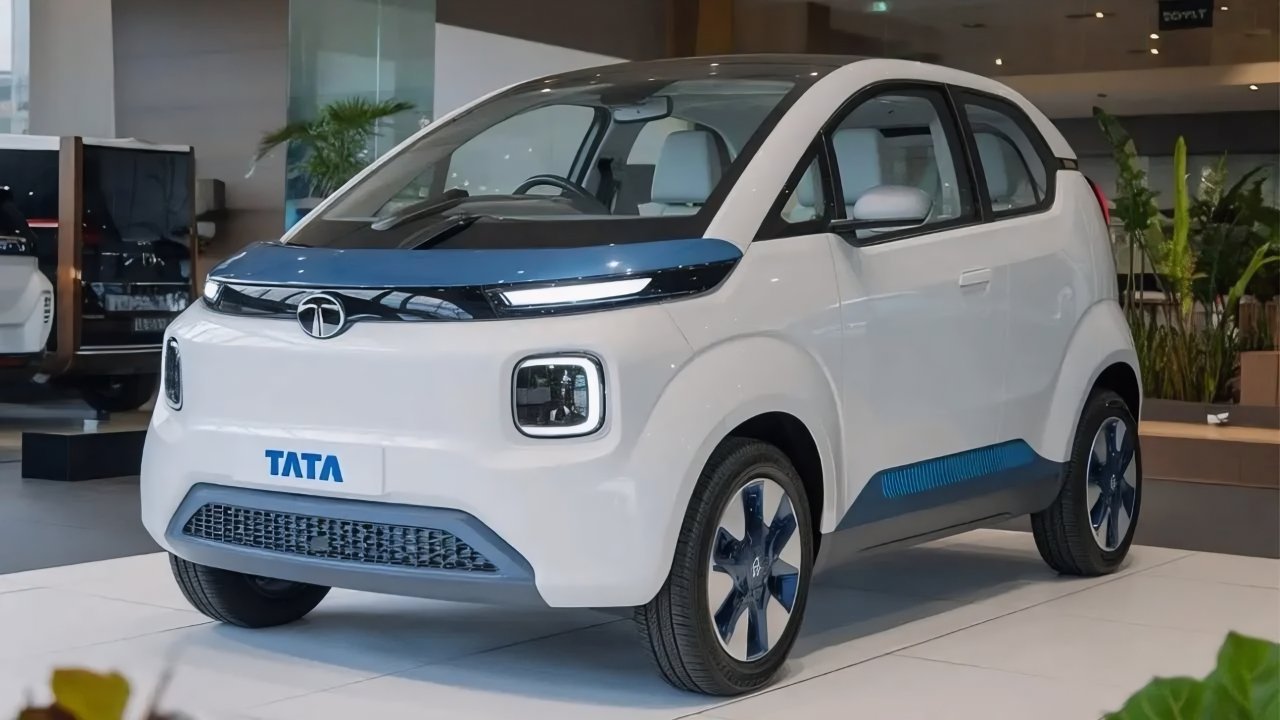
The 2026 Tata Nano EV is expected to be built at the same ultra-compact Cass footprint, which would make it appropriate for the city roads and cramped parking spots. Based on the Hindi ‘nano’, meaning miniature, the design would stay ultra-compact but styled a little more modernly with cute stubby lines, LED lighting stays, closed front grille, and electric-vehicle detailing. These modifications are meant to appeal to younger grooms while preserving the practical, city-oriented aspect of the Nano.
Interior Layout and Urban Comfort
The Tata Nano EV chassis is also expected to give highest importance to simplistic design language, ergonomics, and efficient utilization of space, unlike the earlier car. Interior refinishing should become softer, the seating more comfy, display screens more appealing, basic infotainment options, and room more economical. Such a vehicle should be an optimal transport solution for urban areas on a daily basis.

Electric Powertrain and Assumed Range
I am assuming a small electric engine with a battery to power up the Tata Nano EV 2026. But rather than making great strides for style, the main effort will be spent on optimizing car efficiency. All should pass for proper daily commuting in the city, and who knows a perfect second car for families or a first one for short-distance commuters.
One of the Tata Nano EV 2026’s strongest advantages is expected to be its convenient charging. Houses will be able to charge the car in the driveway while the owners enjoy the perks of overnight charging. Some versions might also have fast charging, assisting buyers by topping up their ride quicker than ever before. The low costs of running an EV compared to petrol, as a factor, means the car would have 2026 extremely low maintenance costs.
Safety Enhancements and Structural Changes
Safety is expected to be quite some area of focus in the Tata Nano EV 2026, with the factory. It will have a better structure with respect to strength in comparison to the normal petrol varieties, better protection in case of crashes, and then the obligatory airbags, ABS, ABS with EBD, and parking assist. These will be important to address the latest safety standards and customer preferences.

Estimated Price and Prospective Buyers
In the given automotive industry of 2026, Tata Motors must put the Nano EV 2026 to be the most inexpensive means of electric cars pick up in India. With the competitive pricing, namely, the car can attract the first-time car buyers, students, urban professionals, and families searching for cost-effective urban mobility. Less ownership costs, along with government incentives, must rather enhance its value proposition.
Competition
Other entry-level electric cars and compact electric vehicles in the globe may line up against the Tata Nano EV 2026. However, the strong brand appeal of the Nano name and its proven success in EVs from Tata Motors could give it a competitive advantage. The launch would greatly boost the adoption of EVs at this end of the market, changing what is expected for affordable electric cars.
Conclusion
The 2026 release of Tata Nano EV could probably mark a new beginning for India’s most iconic small car. Hence Tata Motors may shake up the market with a small-sized ride with an appropriate price tag. With proper execution, the Nano EV might even become emblematic of the accessible and sustainable urban mobility of the future.

 Join WhatsApp